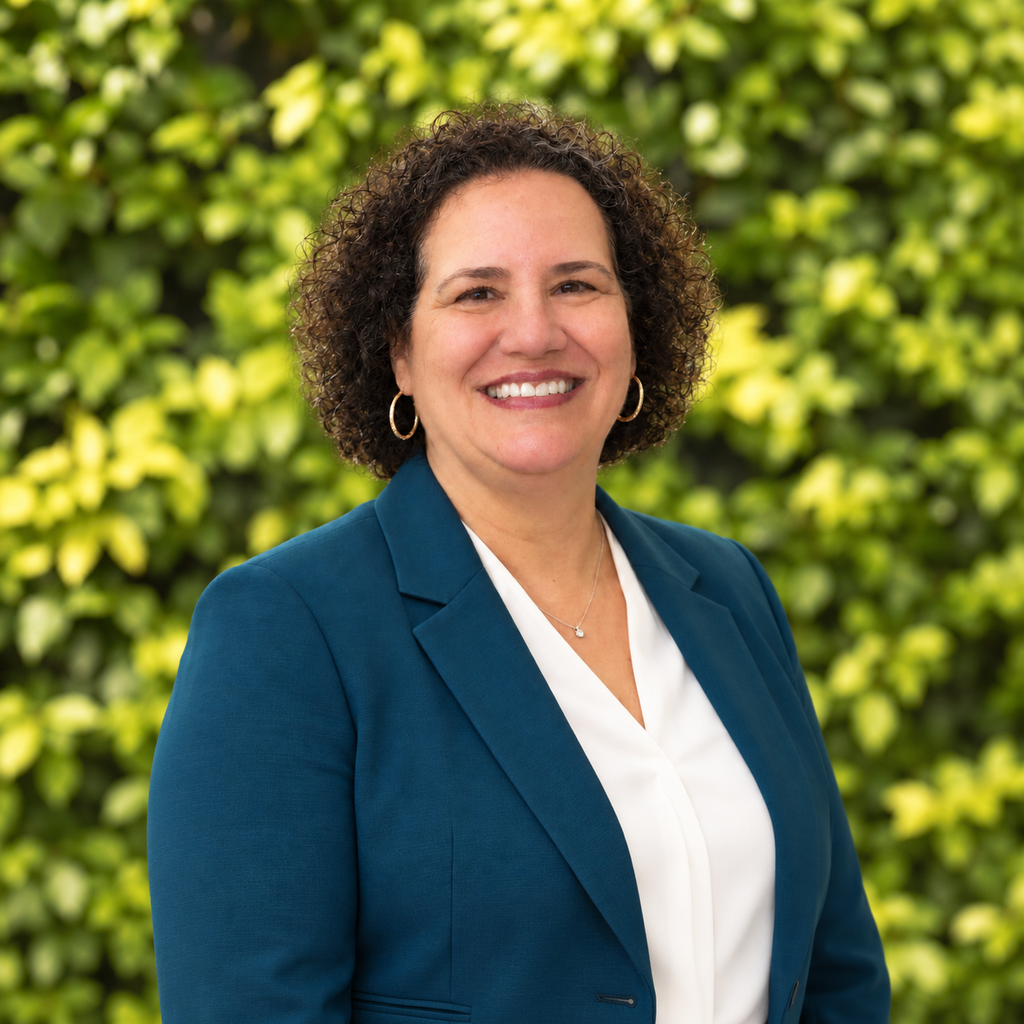
Hi, I’m Carrie.
In 2009, my daughter Hannah was diagnosed with Gaucher disease type 2. My husband Robert and I co-founded the Little Miss Hannah Foundation, serving Southern Nevada families for thirteen years. Today I work in biopharma so families like mine have a voice in how treatments are developed, because children like Hannah deserve more options than she had. I write so the people who serve rare disease see it the way families live it, especially those who get overlooked.
LATEST
-

Sharing Our Stories Is a Gift, and It Costs Us Every Time
On what telling their story asks of families, every time they tell it.
Writing
Rare disease as families, advocates, and communities actually live it.
For advocates doing the work
-
We Closed Our Little Miss Hannah Foundation on Our Best Year
On thirteen years of direct service and the decision to close in our strongest year.
-
Your Rare Disease Experience Is Bigger Than One Community
On why what you learned in rare disease reaches past the one community where you started.
-

The Geneticist’s Office
On the room where a family first hears the diagnosis, and what advocates can learn from it.
Families and communities we overlook
-

The Hardest Thing I Ever Made
The awareness video I made in Hannah’s voice less than seven weeks after her Gaucher diagnosis, and why it was the hardest thing I ever made.
-

Who Gets to Decide What a Family Wants to Know
On newborn screening and who decides what a family is ready to learn.
-

What ‘Underserved’ Really Means in Rare Disease
On the gap between what a family needs and what exists for them, and why naming it is where help begins.
-

She Built It From Nothing
On a parent who built the research her child’s disease was missing.
Earlier writing, 2017 to 2018
-
Steps to Take After Receiving a Rare Diagnosis
What to do in the first weeks after a rare diagnosis.
-
5 Steps to Becoming a Rare Disease Parent Advocate
A practical starting point for parents stepping into advocacy.
-
Bringing Rare Disease to Stanford’s MedX
Bringing the rare disease family perspective to Stanford Medicine X.